

Gopher Management

Protecting Your Landscape
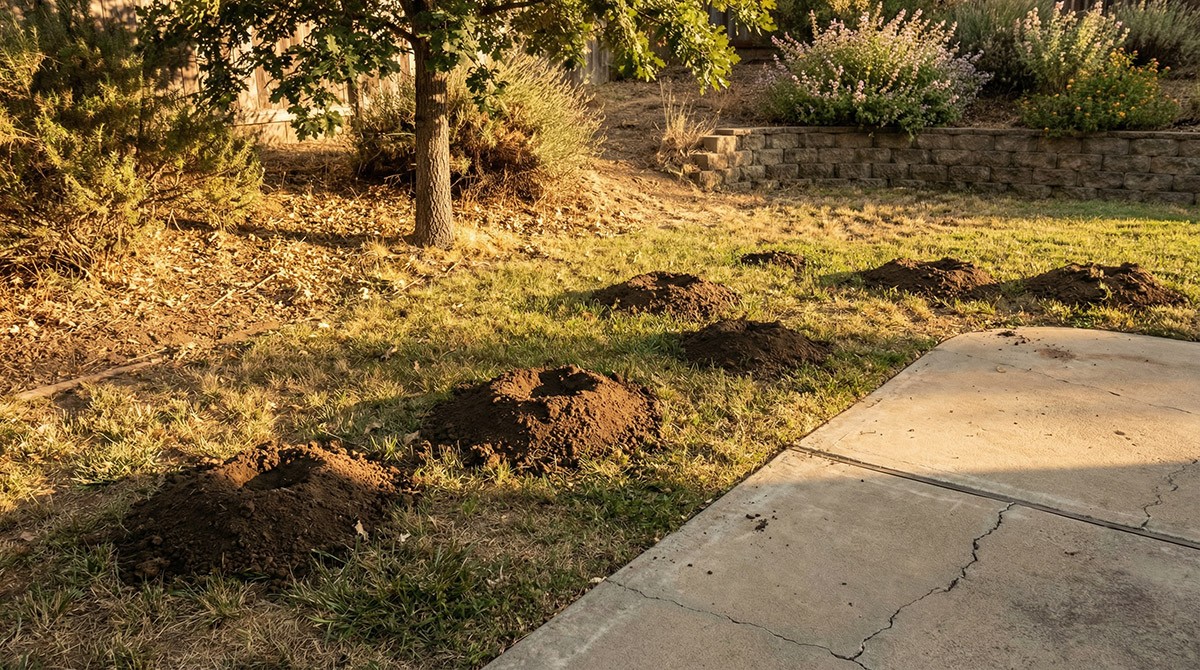
Gophers have their place in the ecosystem. Unfortunately, that place can sometimes become your property. They can kill adult blue agaves and other ornamental plants over the course of a few days, costing you hundreds or even thousands of dollars in damage to existing landscaping. Some have even undermined the root systems of trees. Observation and management is the best solution for this situation. Gopher populations can increase seasonally and should be managed to reduce additional costs down the road.
Experienced & Effective

20+ Years Experienced
Our team draws on over 20 years of combined experience trapping pocket gophers. We know how to effectively abate populations in our coastal environments.
As Needed Service
Pocket gophers can breed up to 3 times in a year. Sudden increases in their population may lead to destruction and erosion of landscaped areas. Because of the sporadic nature of their activity, we can provide service on an as-needed basis.
Year-Round Management
Some properties need regular monitoring to ensure the landscaping is protected. Monthly management helps to protect properties from costly landscape repairs.
Safe & Humane
Poison Free
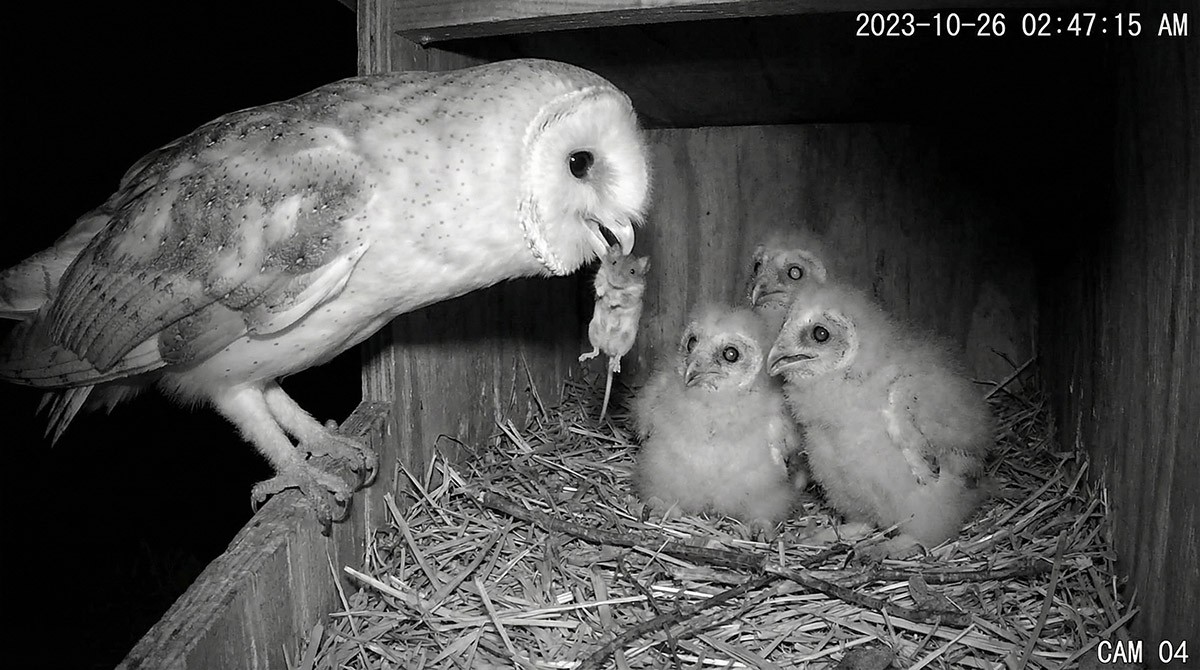
Using poisoned bait for gophers can lead to secondary poisoning of wildlife. Because of this, we do not use poison baiting of any kind to ensure the safety of non-target wildlife.
Effective & Safe
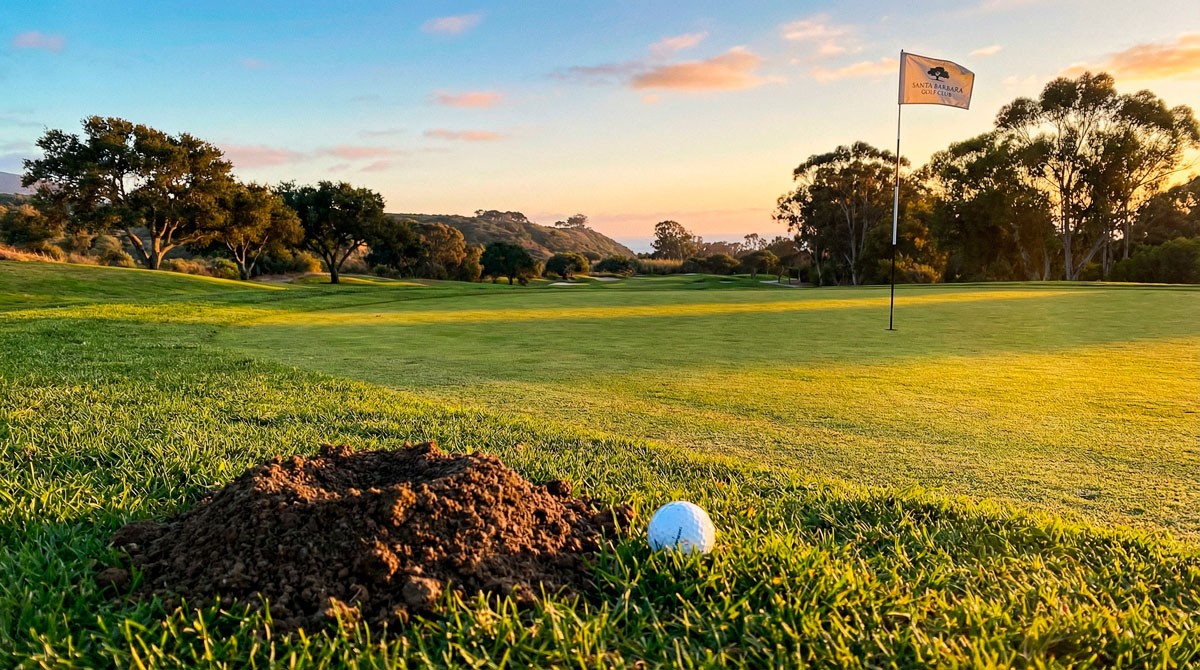
Our methods ensure timely resolution, which can reduce damage to the landscape. Poisons and gas have varying success depending on the size of a burrow and quality of the soil. Our methods ensure timely resolution, which can reduce damage to the landscape.
Avoid Unlicensed Service
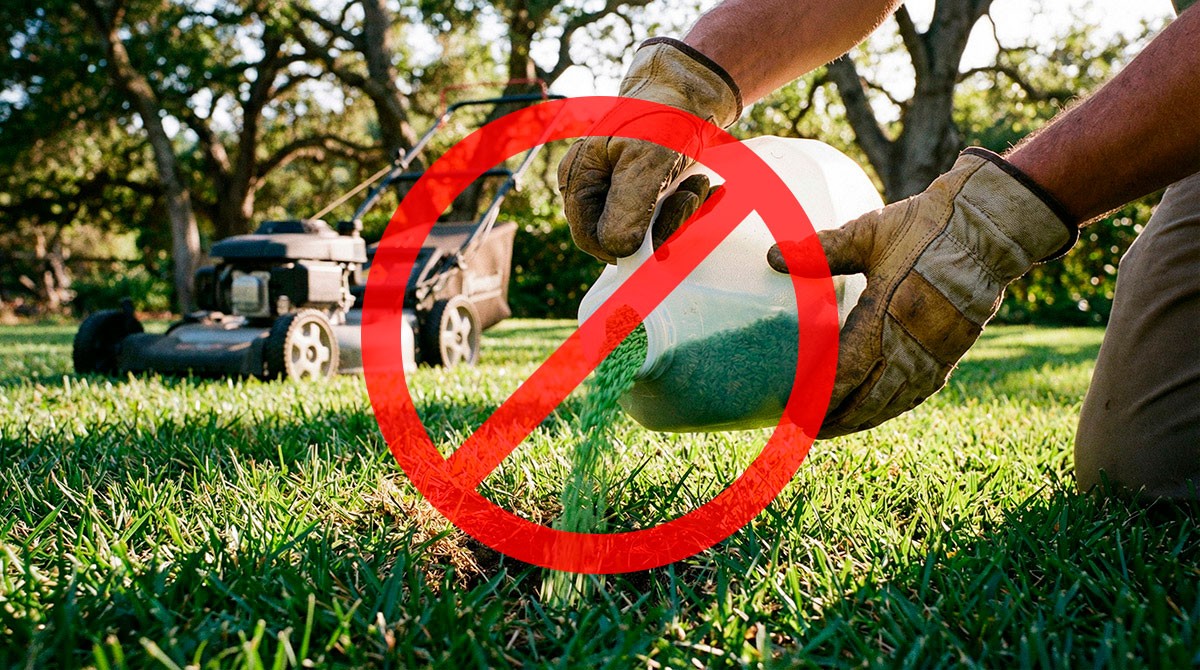
Using unlicensed individuals for gopher abatement can lead to ineffective results and can be a danger to people, pets, and wildlife. Chemicals such as phosphine gas tablets (aluminum phosphide) have been known to be used in a prohibited manner, leading to injury and death. We encourage homeowners and property managers to use licensed professionals and ask what is being used on their property.